Jordan Buchanan's breast lump diagnosis and biopsy surgery
Slow BurnJordan Buchanan’s breast lump diagnosis and biopsy surgery turns a frightening medical uncertainty into a test of friendship, with Kate MacKenna crossing from ordinary worries about money and family obligations into the role of Jordan’s closest support. The episode does not specify the biopsy findings; its decisive news is the surgeon’s assurance that Jordan will be fine. Its emotional movement instead follows the wait around the operation, where fear is shared, delayed, and finally released into relief.
Discovery and Decision
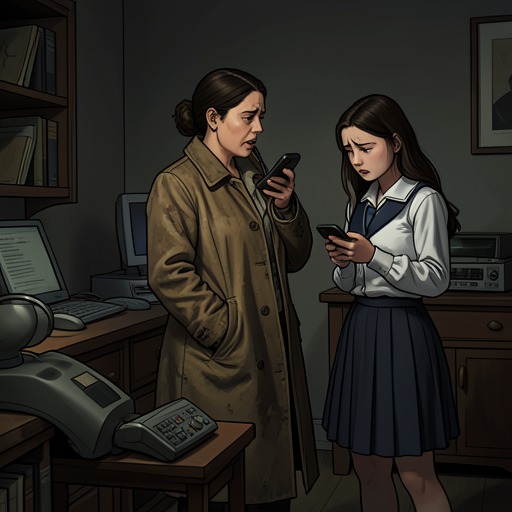
The news arrives during a phone call in which Kate initially thinks Jordan is speaking from far away. When Jordan explains that she has found a lump, the conversation abruptly displaces Kate’s concerns about the house, bills, and tuition. Kate asks where it is, and Jordan identifies her left breast. The plainness of the disclosure gives the exchange its force: an ordinary call becomes an urgent question of health, and Kate’s attention narrows at once to her friend.
Jordan has already seen a specialist and undergone tests, but surgery for a biopsy is scheduled for Friday morning. The surgeon had wanted to perform it the next day; Jordan refused that timing because she needed Kate to have time to get there. Her request makes Kate’s presence part of the practical arrangements for treatment, not simply a comforting prospect. Jordan sounds frightened as she asks whether Kate can come, and Kate answers that she can be there the following day.
Kate immediately takes responsibility for the travel details. She says she will book Jordan on a flight, email the times and flight numbers, and meet her at the airport. The response is concrete and brisk, matching the urgency of the news with a plan. The scene thus establishes a reciprocal friendship through action: Jordan has made room for Kate’s arrival before the operation, and Kate answers by organizing how she will reach her.
The Hospital Wait
On the morning of surgery, Jordan is ready at six-thirty but is not taken to the operating room until shortly after ten. An emergency has caused the delay. Kate is able to remain with her in preoperative care until Jordan is wheeled away; only then does a volunteer direct Kate toward the surgical waiting room. The hours before the operation and the additional wait afterward make time itself part of the strain.
The route to the waiting area is uncertain. A very young-looking volunteer leads Kate through a maze of corridors, and Kate suspects they have circled back before they eventually find the room by chance. There are two waiting rooms, with a desk and telephone between them, staffed by another volunteer. The larger room is full. After giving her name, Kate enters the smaller one. These practical details place her inside an institution organized around waiting, where even finding a place to sit takes effort.
Kate recalls other families gathered in the hospital, trying to comfort one another while they wait for news. She remembers a young father with two small girls beside him, reading stories while they awaited word about their mother’s survival; when the surgeon brought good news, the father broke down sobbing. She also remembers an elderly woman alone until Kate and her sisters arrived. The woman was waiting to learn whether her husband of forty years would survive bypass surgery, and her fast, unbroken stream of stories left Kate imagining cotton balls stuffed in her ears. That uncharitable image helps Kate keep smiling through the chatter. The memories give the waiting room a wider emotional frame: Jordan’s operation is personal, but Kate is surrounded by other families living through the same suspended uncertainty.
The Surgeon’s News and Its Complication
A white-haired volunteer eventually calls Kate’s name. As Kate stands, she sees the surgeon turn toward her and notices that he is smiling. The surgeon’s expression precedes the news: Jordan is going to be fine. Relief makes Kate weak, and she feels an impulse to hug him. The scene releases the tension that has gathered around the delayed operation without supplying a more specific account of the biopsy findings.
Kate had expected to take Jordan home a couple of hours after the anesthesia wore off. Instead, the surgeon wants to keep her overnight because she has had a very mild reaction to the anesthetic. He says there is nothing to worry about and that the drug should be out of her system by the following afternoon, when Jordan can leave the hospital. The reassurance changes the plan but does not undo the good news that Jordan will be fine.
When Kate sees her friend, the physical reaction looks considerably less mild than the surgeon’s phrase might suggest: Jordan is red, has welts across her face and arms, and is itching intensely. Kate responds with affectionate mischief, using the camera built into her cell phone to take a photograph. She intends to torment Jordan with it later and considers making it a computer screen saver. The picture is a comic coda to the hospital ordeal, but it also shows Kate resuming the familiar intimacy of friendship once the immediate fear has eased.
Significance of the Episode
The episode’s central change is not a disclosed diagnosis but a shift in what matters to Kate. A friend’s four-word announcement makes household expenses and tuition temporarily recede; the details that follow are organized around getting to Jordan, staying with her before surgery, and enduring the wait for news. Kate’s care appears in specific acts—booking the flight, remaining in preoperative care, and being present when the surgeon speaks—rather than in abstract declarations of loyalty.
Jordan’s decision to delay the biopsy until Kate can arrive similarly makes their bond consequential to the timing of the event. Her fear is audible in the hesitant request for Kate’s presence, while Kate’s rapid arrangements turn that request into a plan. The hospital scenes then set private anxiety beside the stories of strangers waiting for loved ones, linking Jordan’s operation to a community of people who cannot control the outcome and must wait for someone else to tell them.
The ending holds reassurance and discomfort together. Jordan is expected to recover and leave the next afternoon, yet the anesthetic reaction leaves her visibly red and covered in welts. Kate’s photograph does not erase that unpleasant aftermath; it converts it into a shared joke made possible by the surgeon’s good news. The episode closes on the ordinary, teasing familiarity that the medical crisis had briefly put under pressure.